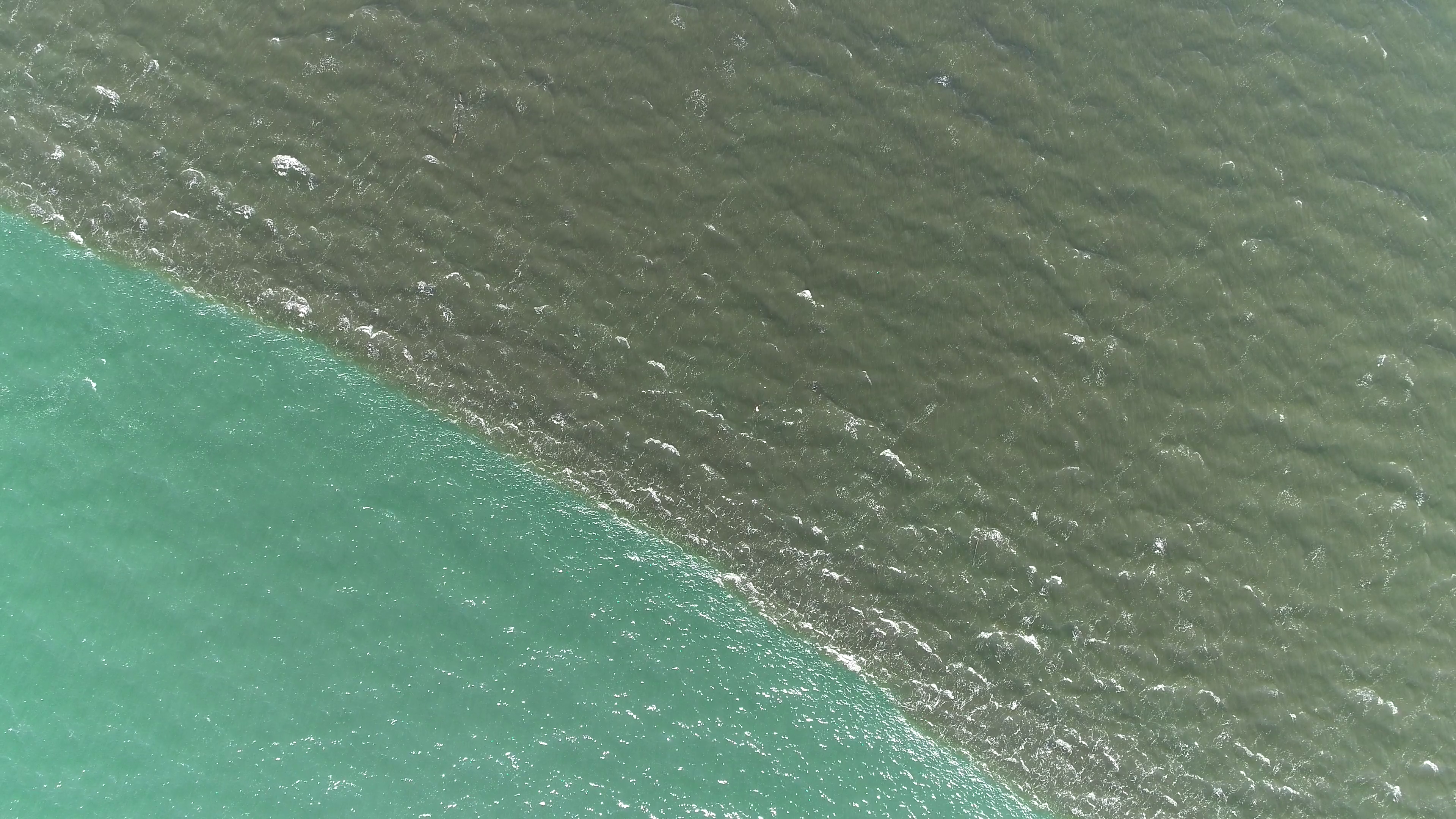
I’m a seagoing physical oceanographer and postdoctoral scholar at the Scripps Institution of Oceanography, University of California San Diego (UCSD). My research centers on multi‑scale ocean fronts, with a particular focus on river‑plume fronts—the dynamic boundaries where fresh river water meets the ocean. These fronts are important for mixing of nutrients, pollutants, sediments, and other river‑borne constituents, shaping coastal ecosystems and biogeochemical cycles. Because the processes span a wide range of spatial and temporal scales, I combine high‑resolution observations (satellites, AUVs, drones, surface drifters) with process‑based numerical modeling to capture the full spectrum of front dynamics and improve predictions of material transport in coastal zones.
I completed my B.Sc. (2017) and M.Sc. (2019) at the Oceanographic Institute of the University of São Paulo, Brazil, working in the Ocean Dynamics Laboratory on mesoscale ocean features. My master’s thesis examined the Santos Bifurcation, a key component of the Brazil Current that influences the Atlantic Meridional Overturning Circulation. In 2025, I earned a Ph.D. in Computational Sciences & Engineering from UMass Dartmouth, where I investigated the evolution of mid-sized river-plume fronts—from discharge through arrest—characterizing how their dynamics, turbulence, and internal solitary-wave activity change over time.
Outside of science, I’m passionate about tinkering and fixing things, playing soccer, reading about politics, and observing nature.

Publications:
A. Piffer-Braga, D. MacDonald, K. Huguenard, P. Spicer, I. Simoes-Sousa, L. Goodman, N. Delatolas, M. Whitney, et al., “Front relaxation via internal solitary waves with trapped cores.” Under Review.
A. Piffer-Braga, D. G. MacDonald, N. Delatolas, L. Goodman, K. Huguenard,
M. M. Whitney, K. Cole, and P. Spicer, “High-resolution sampling of a river plume front with uncrewed underwater and aerial vehicles,” Journal of Atmospheric and Oceanic Technology, 2025, In Press. DOI: 10.1175/JTECH-D-24-0121.1.
I. T. Simoes-Sousa, C. M. L. Camargo, J. Távora, A. Piffer-Braga, J. T. Farrar, and
T. M. Pavelsky, “The may 2024 flood disaster in southern Brazil: Causes, impacts, and SWOT-based volume estimation,” Geophysical Research Letters, vol. 52, no. 4, e2024GL112442, 2025. DOI: 10.1029/2024GL112442.
P. Spicer, K. Huguenard, A. Piffer-Braga, D. G. MacDonald, N. L. Jones, M. M. Whitney, and K. Cole, “Nonlinear Internal Wave Mixing Observations Within the Interior of a River Plume,” Estuaries and Coasts, 2025. DOI: 10.1007/s12237-025-01575-4.
Selected Scientific Fieldwork Experience
Sep 2025 – Combined Ocean Mixing Course, Experiments, and Practices for Turbulence Sampling (COMCEPTS). Duration: 48 hours (2 Days), Funding: University of California Ship Funds.
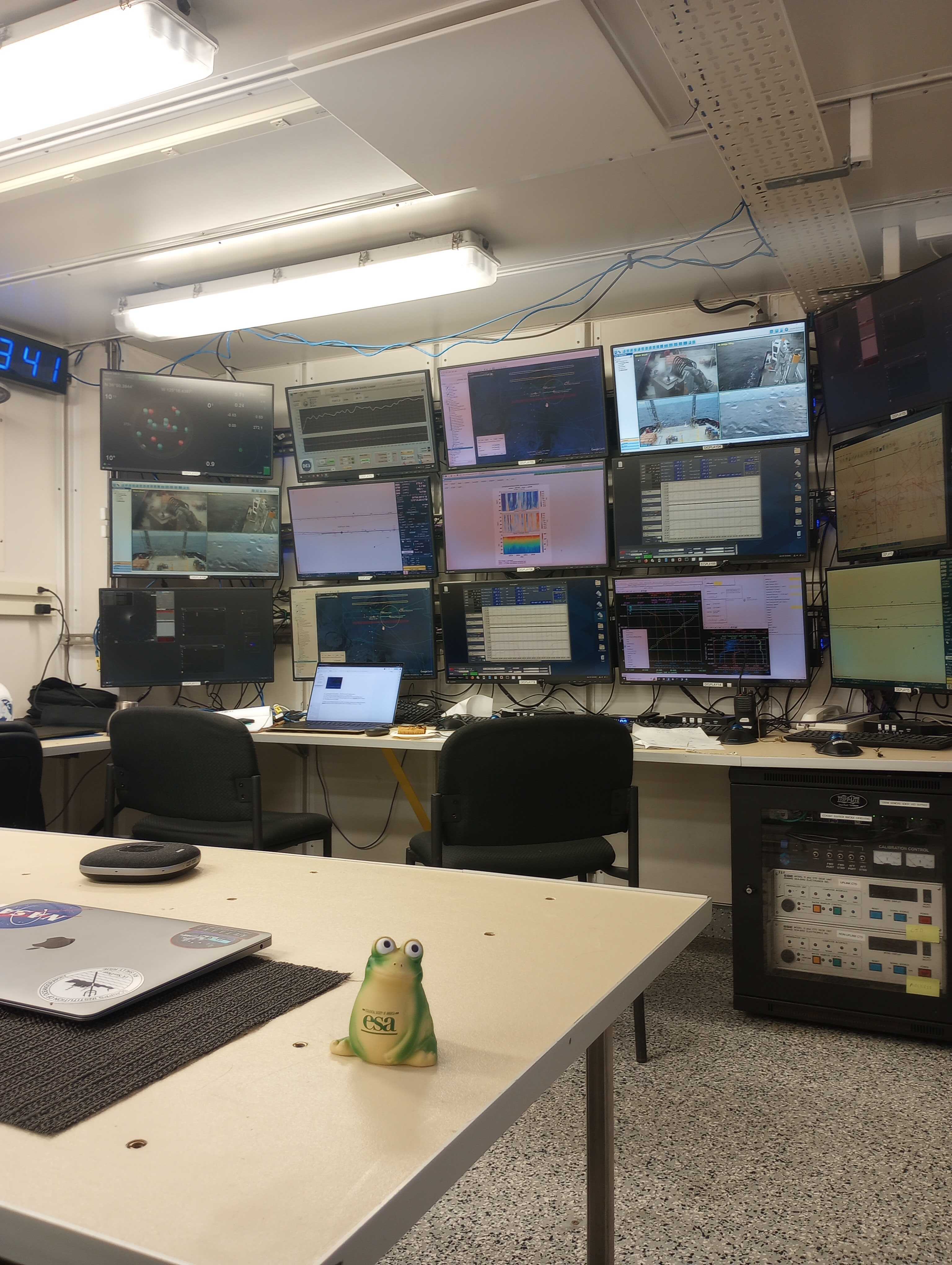
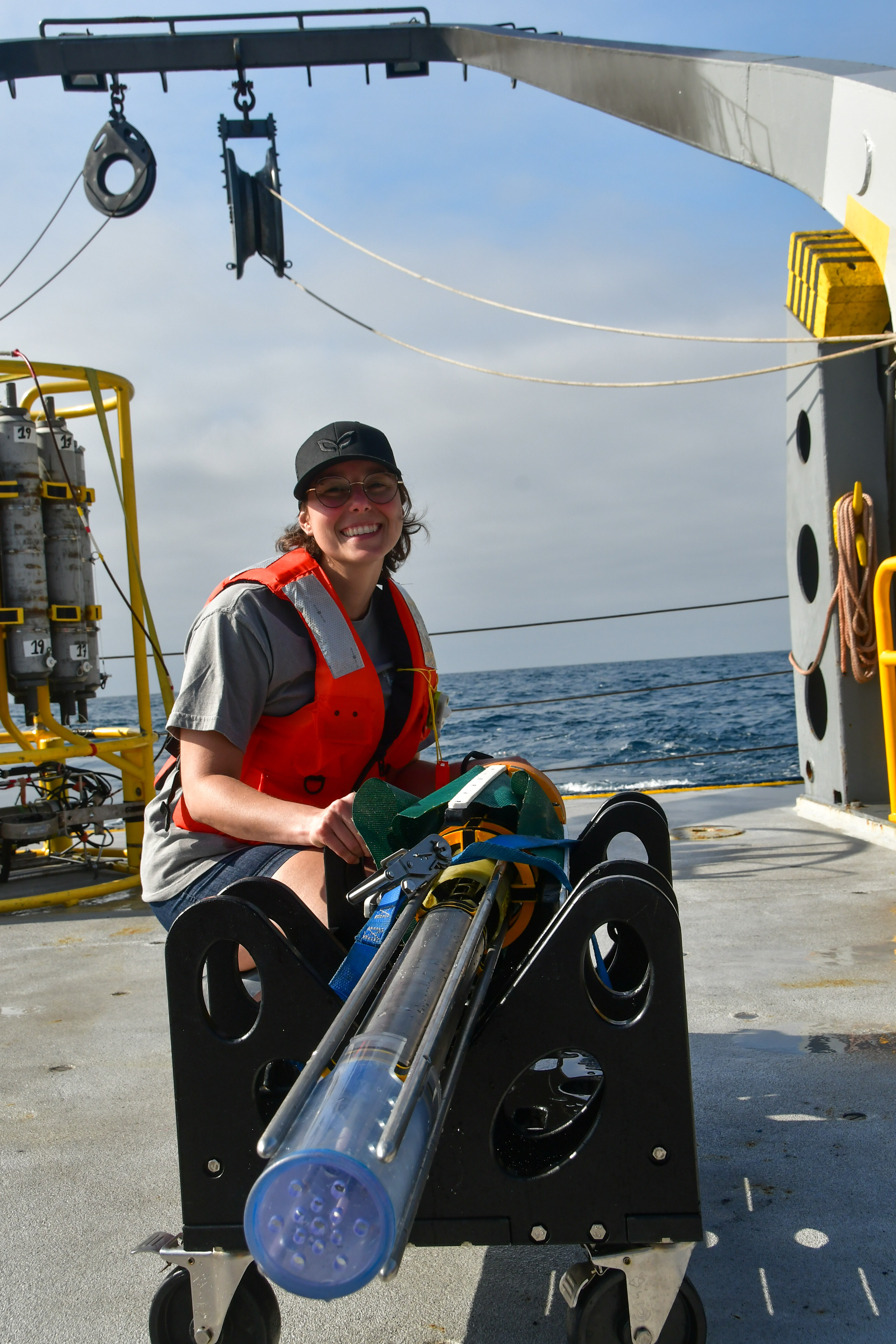
Apr 2023 – Sub-Mesoscale Ocean Dynamics Experiment (S-MODE) Duration: 768 hours (32 Days), Funding Agency: Earth Science Project Office (ESPO) at NASA, PI: J. Tom Farrar (WHOI). Activities: Support for Eco-CTD, VMP, and water sample data collection; On-board checking of physical data.
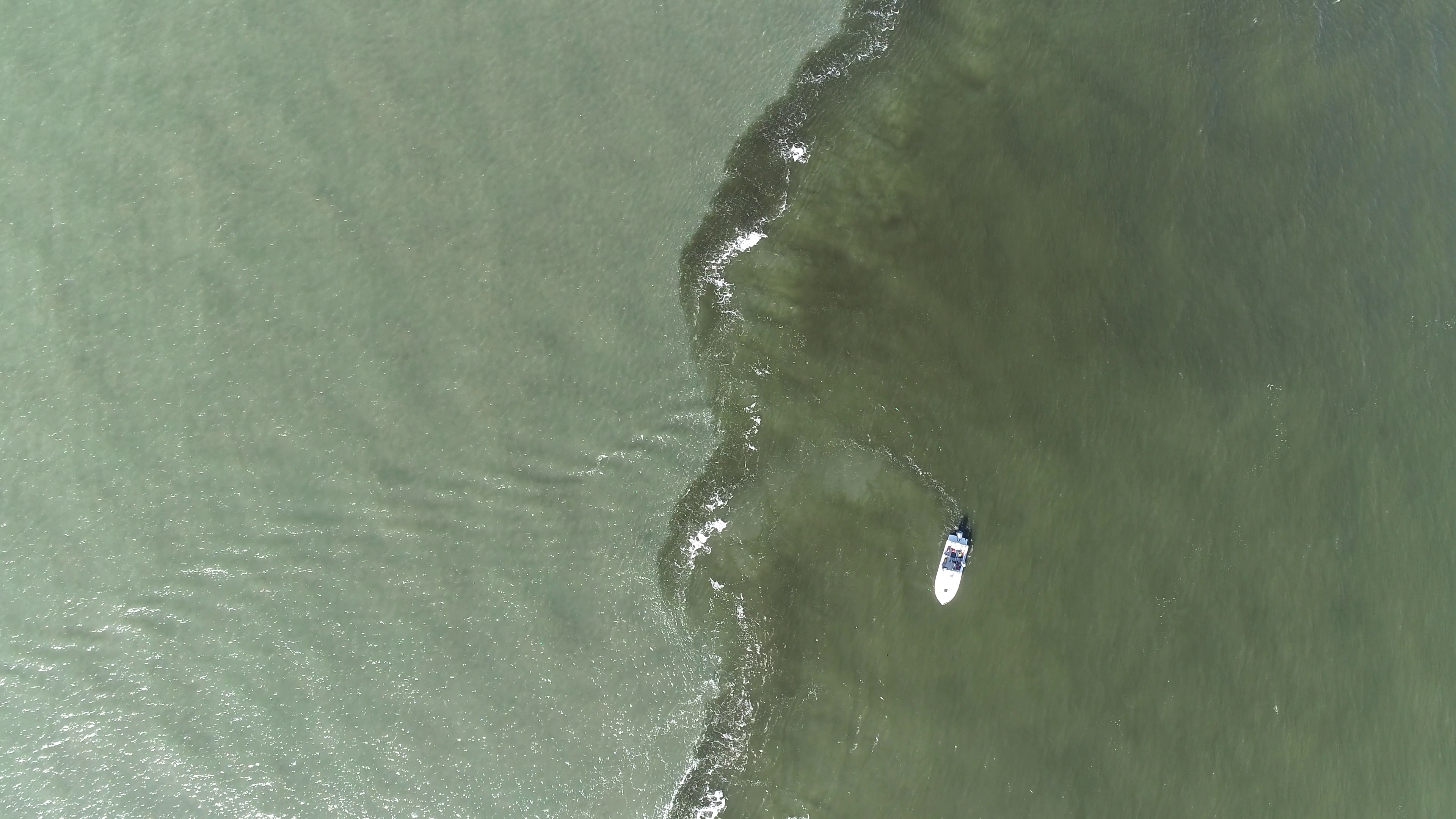
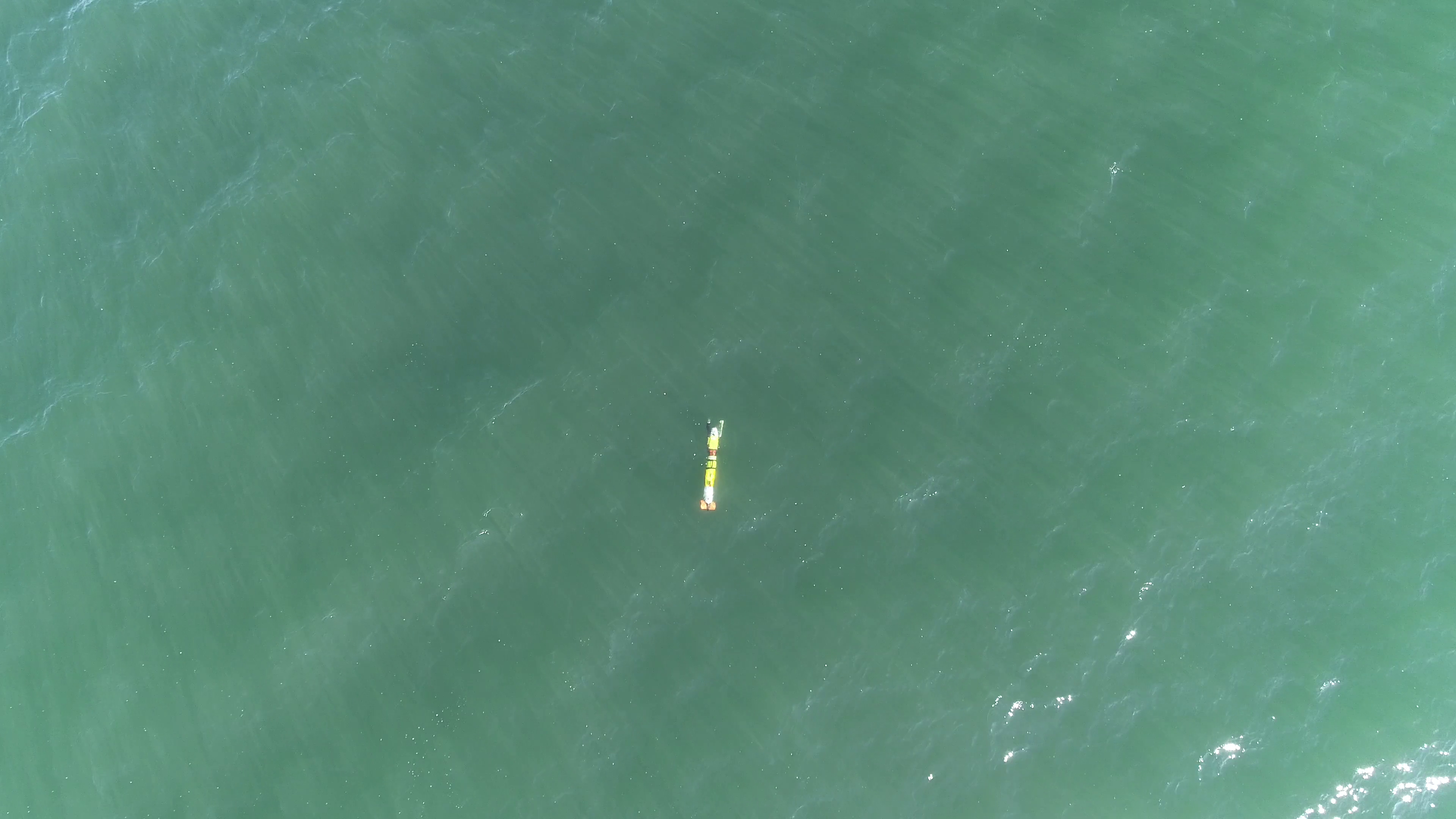
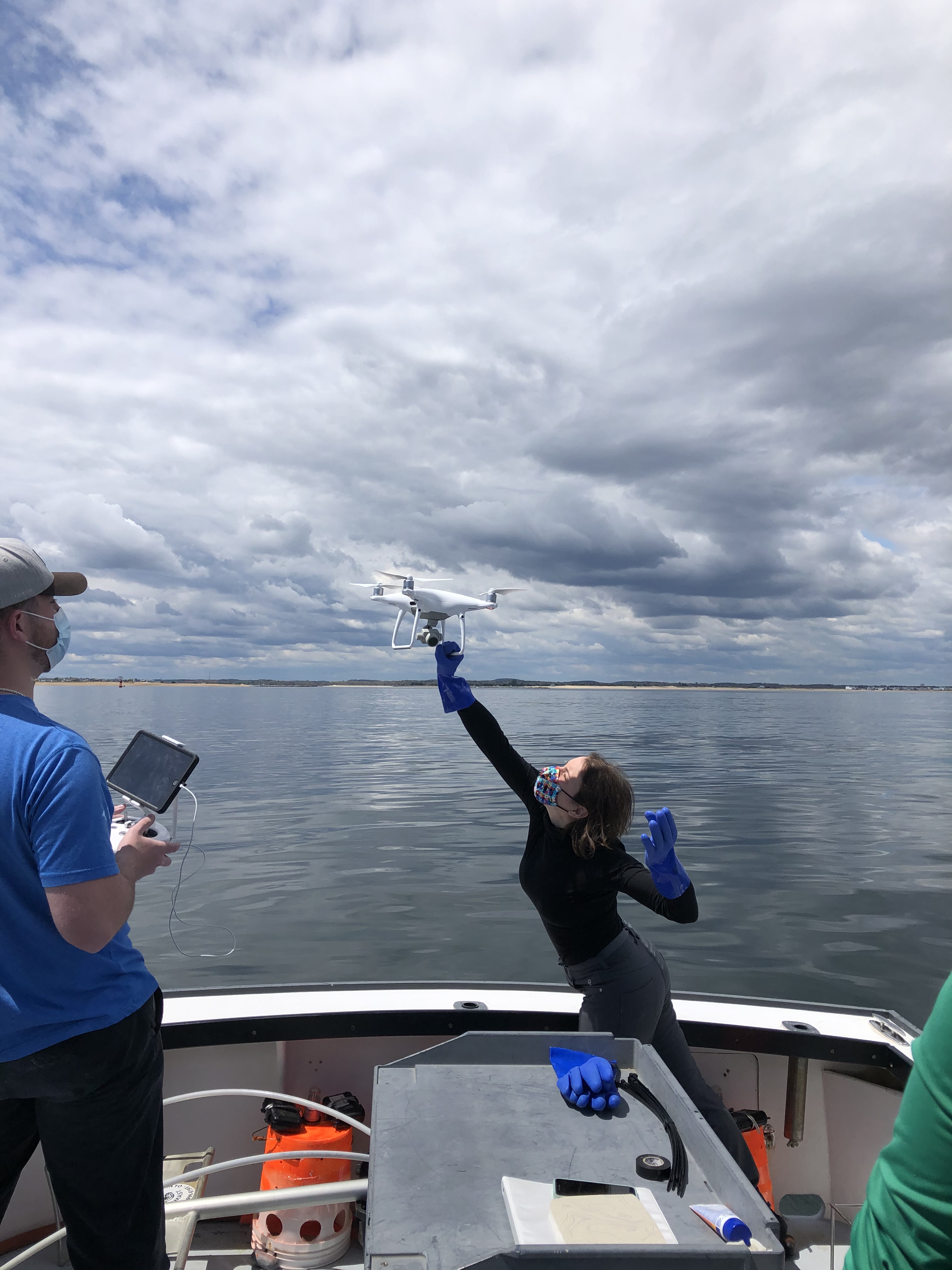
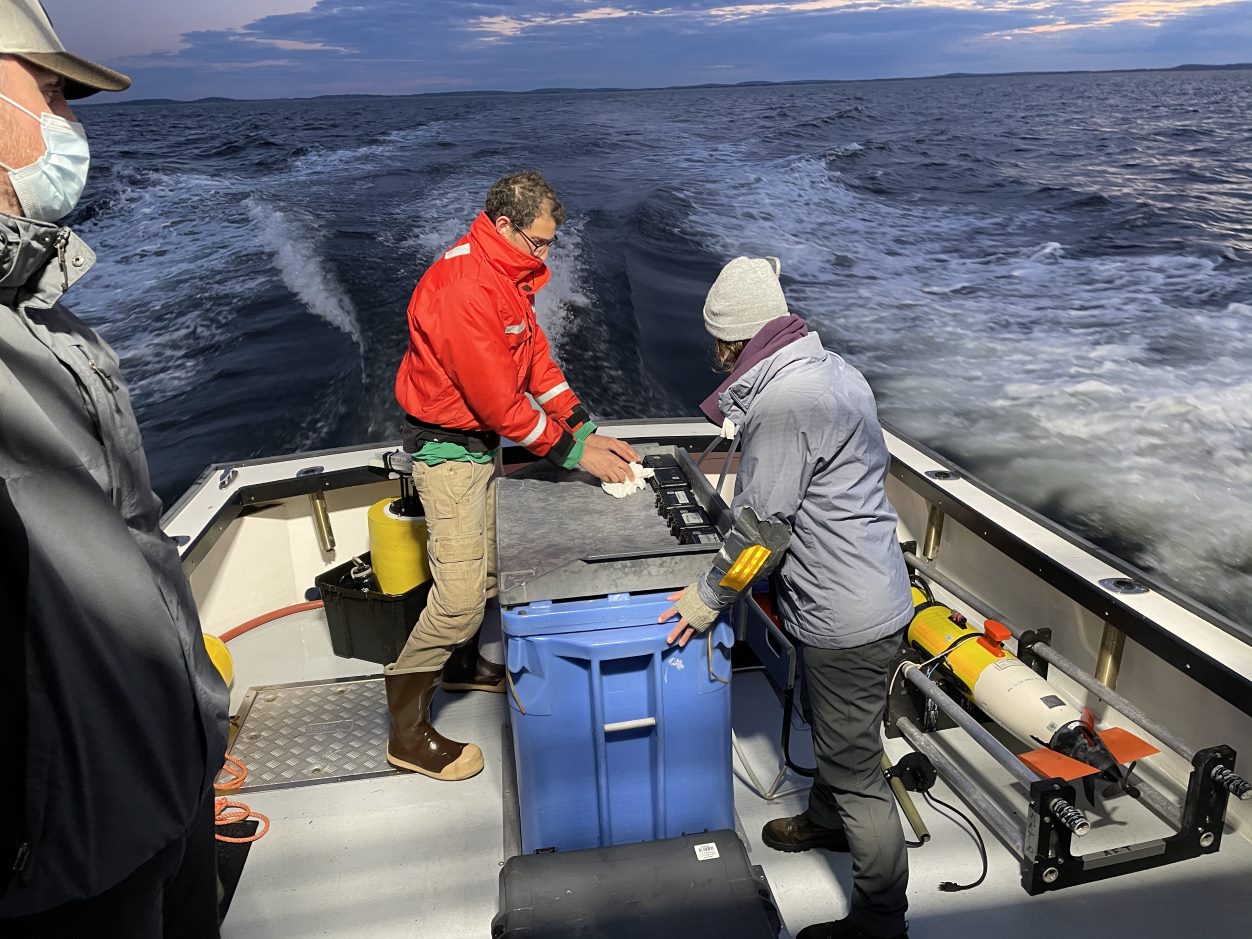
Spring 2021 – Nearshore Research Cruise on Merrimack River Plume. Duration: 3 cruises, 15 hours each, Funding Agency: NSF, PI: Daniel MacDonald (UMass Dartmouth). Activities: Design and co-coordinate the front-following sampling with surface drifters, AUV T-REMUS, aerial drone, and research vessel instrumentation.
Fall 2019 – Nearshore Research Cruise on Connecticut River Plume.
Duration: 2 cruises, 15 hours each, Funding Agency: NSF, PI: Daniel MacDonald (UMass Dartmouth). Activities: Training and co-coordinate in the pilot cruise on the front-following sampling with surface drifters, AUV T-REMUS, aerial drone, and research vessel instrumentation.
Sep 2016 – Meridional Overturning Circulation in the South Atlantic (SAMOC). Duration: 350 hours (13.5 Days), PI: Prof. Edmo Campos (IO-USP), Prof. Olga Sato (IO-USP), Prof. Alberto Piola (UBA-AR), Prof. Frederico Brandini (IO-USP). Activities: Led sampling and processing of L-ADCP (Lowered Acoustic Doppler Profiler) data; real-time data processing and analysis; support on electrical current measurements for salinity sensors’ calibration.
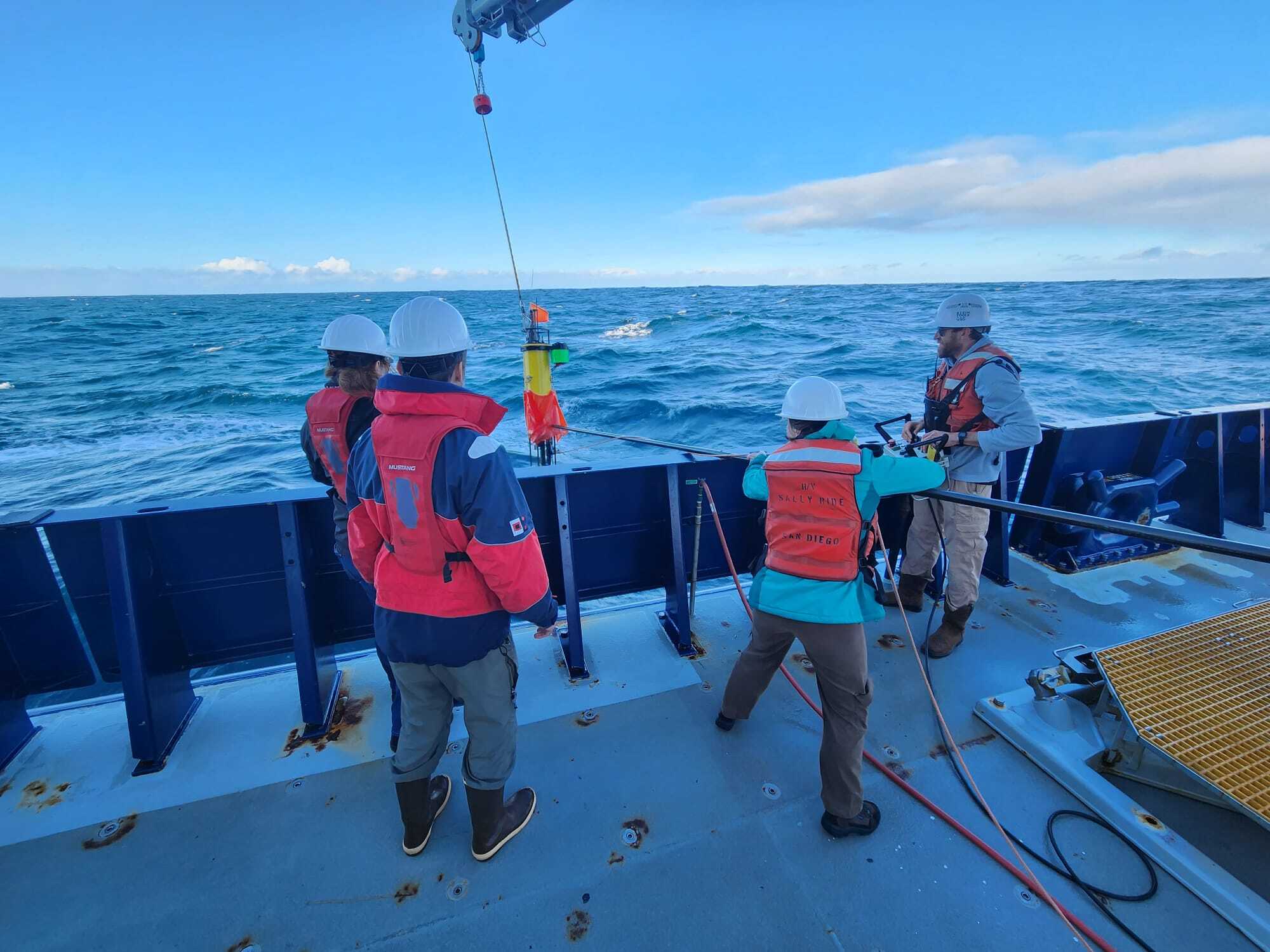
Some fieldwork pics




 Agata Piffer Braga, Ph.D.